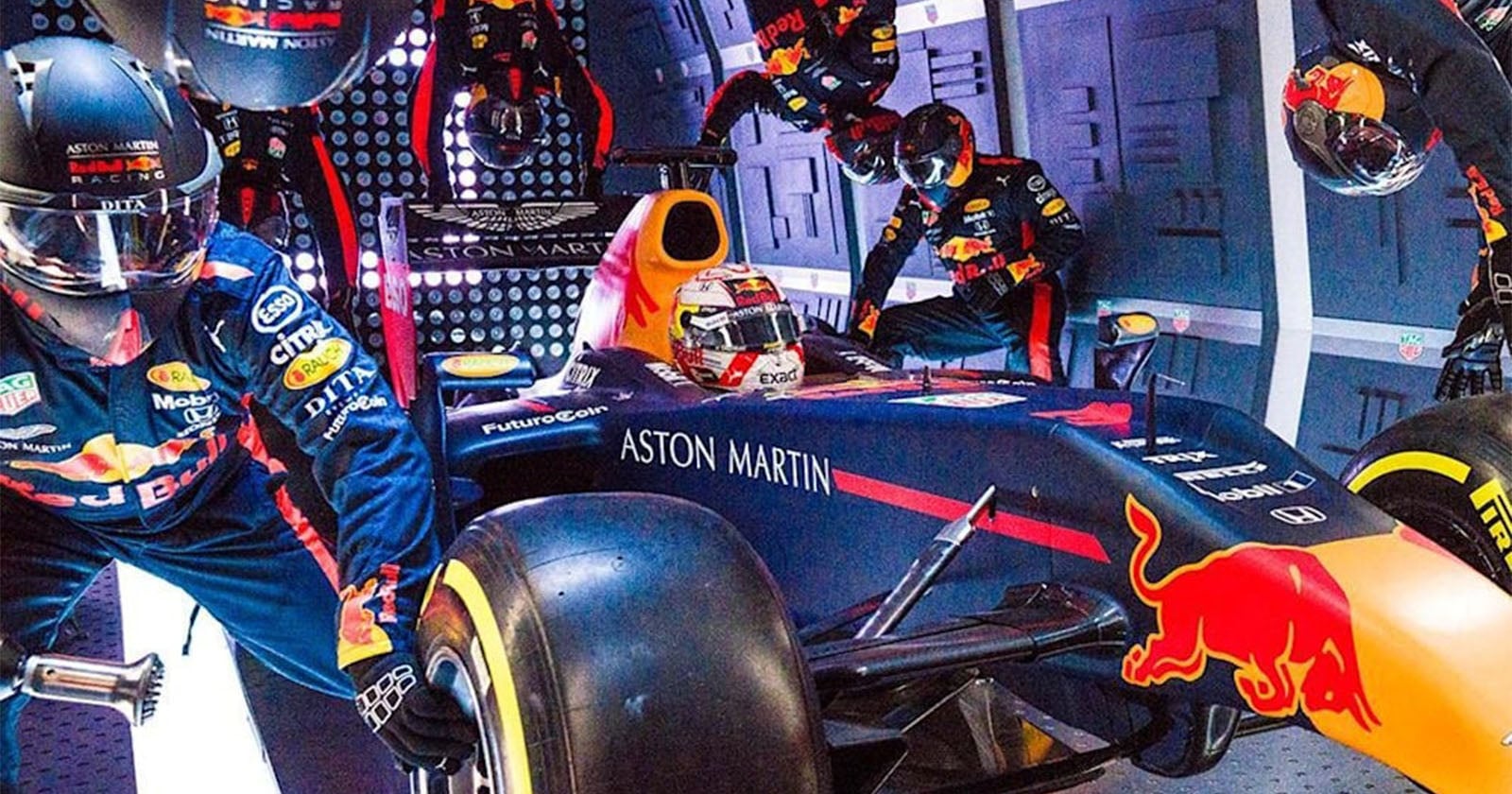
In 2019, Red Bull Racing executed a groundbreaking pit stop during a Formula 1 event that captured the attention of motorsport enthusiasts worldwide. This extraordinary operation took place in a zero-gravity environment, providing a unique perspective on the precision and speed required in F1 pit stops.
The stunt involved a specially modified aircraft that simulated weightlessness, allowing the Red Bull crew to perform their tasks in a microgravity setting. This innovative approach aimed to analyze and improve pit stop techniques, pushing the boundaries of what is possible in high-pressure racing scenarios.
The zero-G pit stop was meticulously planned and executed, with team members demonstrating remarkable coordination and efficiency. The operation included tire changes, refueling, and adjustments, all carried out in a manner that would be challenging under normal gravity conditions. The results provided valuable insights into the mechanics of pit stops and potential ways to optimize performance.
Footage of the event showcases the crew floating and maneuvering in mid-air, with tools and tires effortlessly passing from one team member to another. The spectacle not only highlights the technical skill involved but also underscores the innovative spirit of Red Bull Racing in seeking new ways to enhance their competitive edge.
Beyond its entertainment value, the zero-G pit stop experiment contributed to broader discussions about the future of motorsport technology and the application of microgravity research in automotive engineering. It exemplifies how teams like Red Bull are continually exploring novel methods to gain an advantage on the track.
Overall, the 2019 Zero-G F1 pit stop remains a remarkable achievement, demonstrating the intersection of science, engineering, and athletic precision. It continues to inspire both fans and industry professionals, reminding us of the relentless pursuit of excellence in Formula 1 racing.